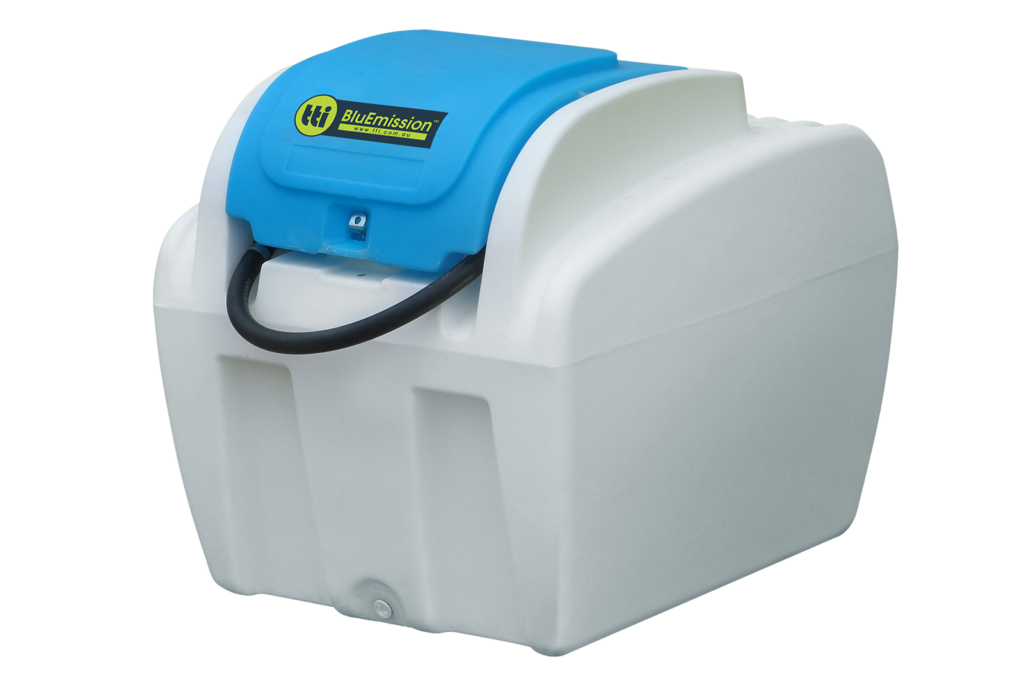
What is AdBlue and why is it important?
AdBlue is a diesel exhaust fluid used in modern engines fitted with Selective Catalytic Reduction systems. It helps reduce harmful emissions and keeps vehicles compliant with Australian standards. Without a reliable Adblue tank, machines using SCR technology simply cannot run as they should.
Why does proper AdBlue storage matter?
AdBlue is sensitive to heat, sunlight, and contamination. If it is not stored correctly, it can degrade or crystallise, leading to blocked systems and downtime. A purpose-built Adblue tank protects the fluid and keeps your equipment operating smoothly.
Who typically uses AdBlue tanks?
Agriculture, transport, civil construction, mining, and fleet operators all rely on a secure Adblue tank. Trucks, tractors, loaders, generators, and earthmoving equipment fitted with SCR systems all need consistent access to clean AdBlue.
What sizes are available?
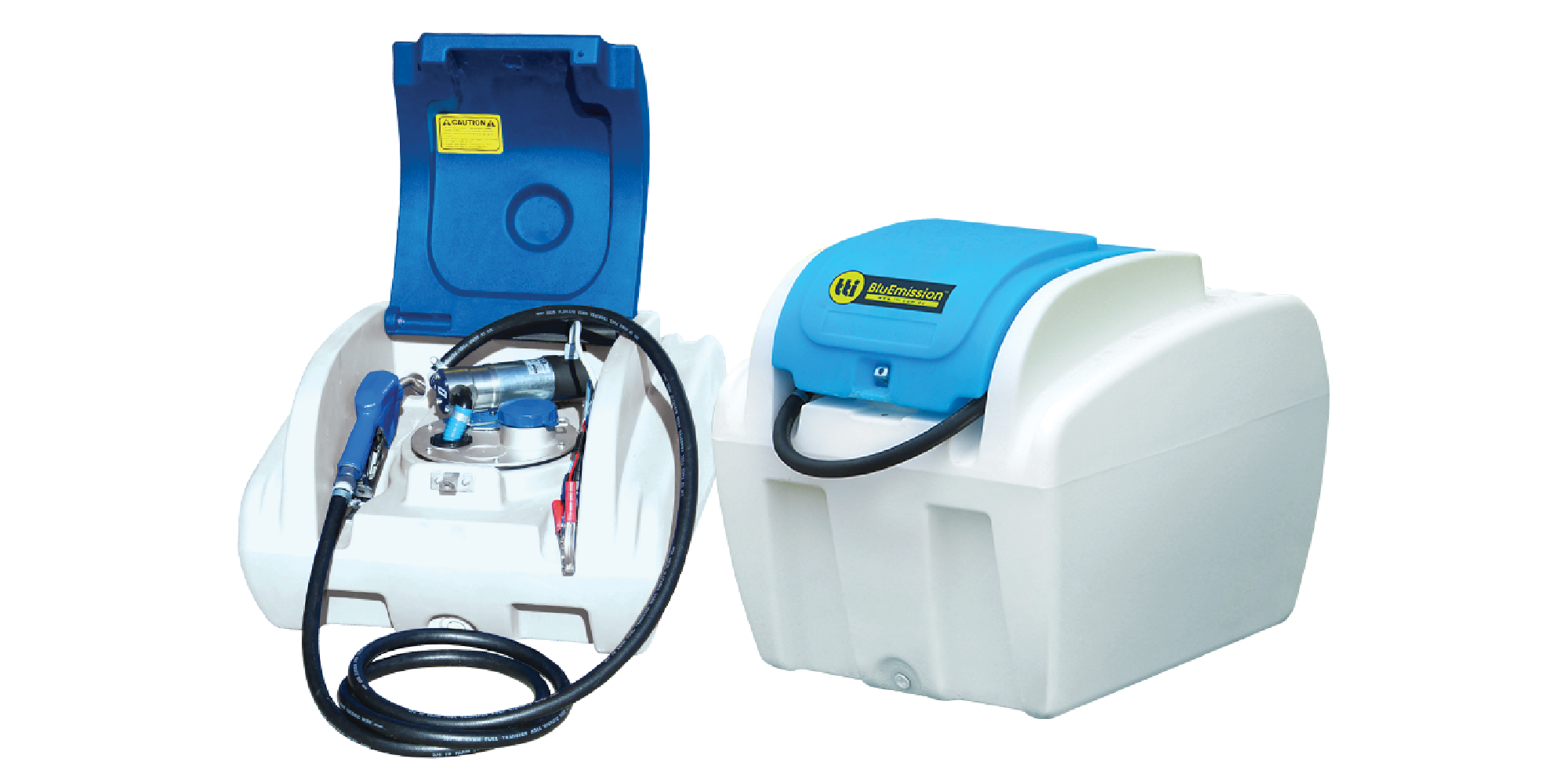
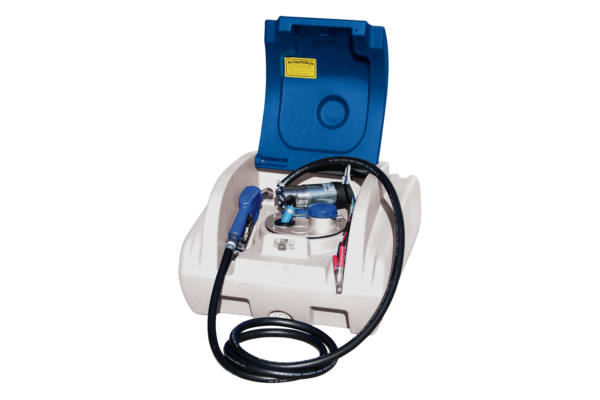
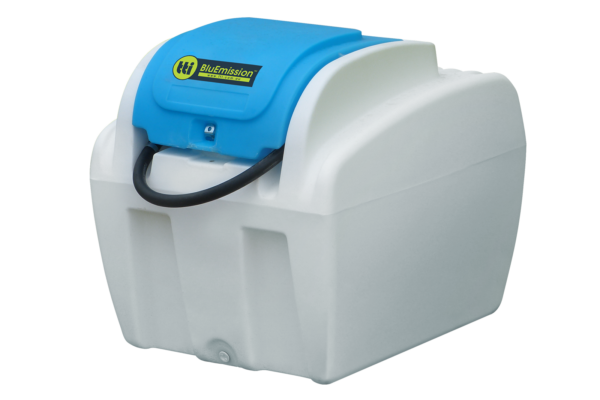
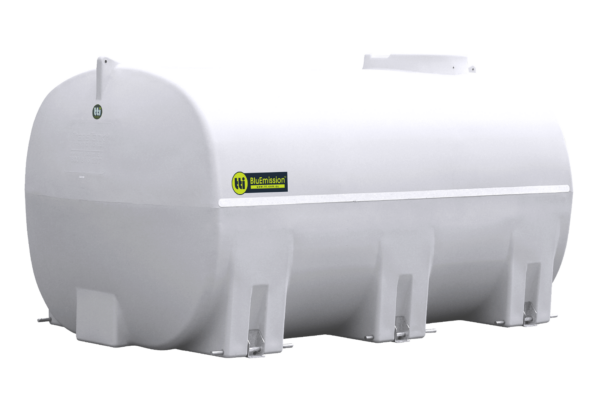
TTi offers a range of Adblue tank sizes to suit different workloads. Smaller 100L and 200L units are ideal for light or mobile use. Mid-range 1000L tanks suit growing fleets. Larger 5000L and 10000L systems support high-volume operations. The right size depends on how often you refill and how many machines you run.
What are AdBlue tanks made from?
A quality Adblue tank is made from corrosion-resistant, food-grade polyethylene. Seals, hoses, and pumps are selected to prevent contamination. The right materials are important because AdBlue reacts with unsuitable metals and plastics.
What features can I expect in a TTi AdBlue tank?
Most TTi systems include high-flow pumps, auto shut-off nozzles, lockable lids, durable poly construction, and chemical-resistant fittings. Larger tanks may include bunding for added environmental protection and compliance.
What is the difference between self-bunded and single skin tanks?
A single skin Adblue tank has one wall and suits lower-risk environments. A self-bunded tank includes an outer containment layer to capture spills. Self-bunded systems offer extra protection and may be required depending on your site or local regulations.
How do I choose the right AdBlue tank size?
Start with how much AdBlue your fleet uses each week. Then consider available space and how often deliveries are scheduled. Smaller sites may only need a compact Adblue tank, while larger fleets benefit from higher-capacity storage to reduce refill frequency.
What maintenance does an AdBlue tank require?
Keep the tank sealed when not in use and avoid introducing dirt or water. Inspect hoses, pumps, and seals regularly. If cleaning is required, use demineralised water only. A well-maintained Adblue tank helps protect both the fluid and your equipment.
Can I use my AdBlue tank for other liquids?
No. An Adblue tank is designed specifically for AdBlue. Using it for diesel, water, or other chemicals risks contamination and potential damage to SCR systems.
Are there regulations for storing AdBlue in Australia?
AdBlue is not classified as a dangerous good, but environmental and workplace regulations may apply, particularly for bulk storage. Choosing the correct Adblue tank configuration helps you stay compliant with local site requirements.
What should I consider before purchasing an AdBlue tank?
Think about capacity, portability, pump flow rate, bunding requirements, and site layout. TTi can help assess your setup and recommend an Adblue tank that suits your operation and meets Australian standards.